
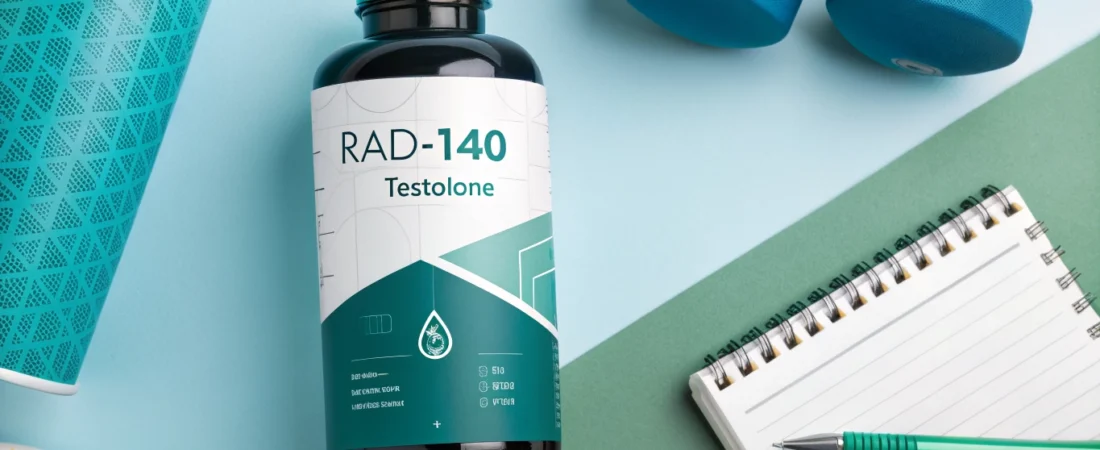
Understanding RAD-140: What It Is
RAD-140, commonly referred to as Testolone, is a compound that falls under the category of Selective Androgen Receptor Modulators (SARMs). SARMs are a class of therapeutic compounds that exhibit similar anabolic properties to anabolic steroids but with reduced androgenic properties. This specificity allows RAD-140 to selectively target androgen receptors in muscle and bone tissues, which contributes to its growing popularity in both medical research and fitness circles.
Originally developed by Radius Health, RAD-140 was designed with the primary objective of alleviating muscle wasting conditions, which are often associated with diseases such as cancer and osteoporosis. By targeting specific androgen receptors, RAD-140 aims to enhance muscle growth and strength, offering a promising alternative to traditional steroid therapies.
The intended use of RAD-140 in the medical community is evolving as researchers explore its potential applications. Its anabolic effects have drawn attention for possible therapeutic benefits in various medical conditions. In the fitness community, RAD-140 has gained notoriety among bodybuilders and athletes who seek to improve their performance, increase lean muscle mass, and expedite recovery times without the side effects typically associated with anabolic steroids.
Furthermore, the ongoing studies about Testolone’s safety profile and long-term effects are crucial in determining its viability as a therapeutic agent. Despite its potential, it is important to approach the usage of RAD-140 with caution, due to the lack of regulatory approval and the need for comprehensive clinical trials.
In summary, RAD-140 (Testolone) represents a significant advancement in the realm of anabolic agents, providing insights into selective receptor interactions and opening up new opportunities for both medical and athletic applications.
Understanding the Mechanism of Action of RAD-140
RAD-140, also known as Testolone, is a selective androgen receptor modulator (SARM) that has garnered significant attention within both the fitness and medical communities. Its primary mode of action is the targeted interaction with androgen receptors in the body. Unlike traditional anabolic steroids, which indiscriminately affect various tissues, SARMs like RAD-140 offer a more refined approach by selectively stimulating muscle growth and enhancing bone density while minimizing adverse effects on other organs.
When RAD-140 binds to androgen receptors located primarily in muscle and bone tissues, it initiates a cascade of biological responses that promote anabolic activity. This molecular interaction not only stimulates protein synthesis, a critical component of muscle growth but also enhances nitrogen retention and promotes fat oxidation. The result is a favorable shift in body composition wherein muscle mass is increased while body fat is reduced, making RAD-140 particularly appealing for athletes and bodybuilders seeking to improve their physical performance.
The unique advantage of RAD-140 over conventional anabolic steroids lies in its selective action. Traditional steroids can lead to numerous side effects, including liver toxicity and hormonal imbalances, due to their systemic effects on various organs. In contrast, RAD-140’s design aims to mitigate these risks by concentrating its effects on muscle and bone, thereby offering a potentially safer alternative for users looking to harness the benefits of anabolic compounds without the significant side effects commonly associated with steroids.
Studies have shown that RAD-140 not only promotes muscle hypertrophy but also aids in the preservation of lean body mass during caloric deficits, a crucial aspect for individuals aiming to lose fat without sacrificing muscle. This dual performance enhancement makes RAD-140 a compelling subject of interest for further research and adoption within sports and fitness.
Research and Studies on RAD-140
RAD-140, also known as Testolone, is a selective androgen receptor modulator (SARM) that has garnered interest for its potential applications in muscle growth and the treatment of various medical conditions. Several studies have been conducted to evaluate its efficacy, safety profile, and potential side effects. These investigations are crucial as they provide insight into the current state of knowledge regarding this compound.
One notable study published in The Journal of Pharmacology and Experimental Therapeutics focused on RAD-140’s anabolic effects, demonstrating a marked increase in muscle mass and strength in animal models. The results suggested that RAD-140 effectively binds to androgen receptors, which may lead to significant performance enhancements without the severe side effects typically associated with anabolic steroids. Notably, this study highlighted the compound’s ability to promote muscle hypertrophy while minimizing potential adverse reactions often seen with traditional anabolic agents.
In terms of safety, research has indicated that RAD-140 exhibits a favorable side effect profile in comparison to conventional anabolic steroids. In a 2020 study published in Drug Design, Development and Therapy, the researchers assessed the compound’s safety. They found that, at recommended dosages, RAD-140 did not induce hepatotoxicity or adversely impact lipid profiles, a common concern with various anabolic substances. However, the need for further human clinical trials remains imperative, as a comprehensive understanding of long-term safety and efficacy is still in development.
As of now, RAD-140 remains under research and has not received FDA approval for human use. Regulatory bodies and expert societies continue to monitor findings as they emerge to ensure that the information surrounding RAD-140 remains accurate and up-to-date. With increasing interest in its anabolic properties coupled with safety considerations, RAD-140 stands as a promising candidate for future studies focused on its therapeutic potentials.
Differences Between RAD-140 and Anabolic Steroids
As more individuals seek alternatives to traditional anabolic steroids, RAD-140, commonly known as Testolone, has gained attention for its purported benefits. Comparing RAD-140 to conventional anabolic steroids provides insight into their different mechanisms of action, safety profiles, legal status, and use cases.
RAD-140 is classified as a selective androgen receptor modulator (SARM), which means it selectively targets androgen receptors in muscle and bone tissue. This selectivity aims to minimize the side effects typically associated with anabolic steroids, such as hair loss, acne, and adverse effects on mood. In contrast, anabolic steroids exert their effects more broadly, influencing various tissues in the body, which can lead to more pronounced side effects.
In terms of side effects, RAD-140 is generally considered to have a more favorable profile compared to conventional anabolic steroids. Users often report fewer side effects, although some may still experience hormonal imbalances or liver stress, particularly at higher doses. Anabolic steroids, on the other hand, can cause significant health risks including cardiovascular issues, liver damage, and hormonal imbalances that may require medical intervention.
Legally, RAD-140 occupies a grey area. While it may not be classified as a controlled substance in some jurisdictions, it is still banned by most sports organizations, aligning it with anabolic steroids in terms of competitive usage. Anabolic steroids are classified as controlled substances in many countries, making their use and distribution heavily regulated.
In typical use cases, RAD-140 appeals to bodybuilders and athletes looking for muscle gain or fat loss without the extensive side effects connected with traditional anabolic steroids. Its unique properties facilitate a safer experience compared to the more aggressive nature of anabolic steroids.
Potential Benefits of Using RAD-140
RAD-140, also known as Testolone, has gained significant attention among fitness enthusiasts for its purported benefits in athletic performance and physique enhancement. One of the most commonly cited advantages of this selective androgen receptor modulator (SARM) is its ability to promote muscle gain. Users often report experiencing notable increases in lean muscle mass within a relatively short period of time, which can be attributed to the compound’s mechanism of mimicking testosterone. This anabolic effect can result in enhanced muscle strength and size, making RAD-140 an attractive option for individuals seeking to optimize their training outcomes.
In addition to muscle gain, RAD-140 is often praised for its potential to facilitate fat loss. Many users have shared anecdotal evidence supporting the compound’s effectiveness in promoting a leaner physique. By increasing metabolic rates and enhancing fat oxidation, RAD-140 may aid users in achieving their desired body composition more efficiently. This aspect makes it particularly appealing for those looking to shed excess weight while preserving muscle mass during caloric deficits.
Moreover, improved endurance is another claimed benefit of RAD-140 usage. Users frequently report enhanced stamina and reduced fatigue, allowing for longer and more intense workout sessions. This can contribute to overall improvements in athletic performance, as individuals may be able to push through their limits with greater ease. Such testimonials highlight RAD-140’s potential role in supporting athletes and fitness enthusiasts in reaching their goals.
While the benefits of RAD-140 are primarily supported by user experiences, it is essential to approach the use of this compound with caution. Understanding both the positive outcomes and potential risks will enable individuals to make informed choices regarding their fitness journey.
Possible Side Effects and Risks of RAD-140
RAD-140, also known as Testolone, is a selective androgen receptor modulator (SARM) that has gained attention for its potential use in enhancing athletic performance and promoting muscle growth. However, like any substance that affects hormonal balance, RAD-140 is accompanied by potential side effects and health risks that users should consider before usage.
Common side effects of RAD-140 include alterations in mood and behavior, fatigue, and headaches. Users may also experience changes in libido or hormonal fluctuations, which are typical with substances that interact with androgen receptors. It is crucial for prospective users to pay attention to these effects, as they can vary among individuals. Furthermore, some users have reported insomnia and gastrointestinal issues, which can detract from the overall experience when using this compound.
More serious side effects associated with RAD-140 may include liver damage, cardiovascular strain, and potential impacts on cholesterol levels. Research into the long-term effects of RAD-140 is still in its infancy, thus the full extent of its risks remains unclear. Due to the lack of extensive human studies, experts advise extreme caution when considering its use. Consulting with a healthcare professional who understands the implications of hormonal manipulation is imperative. They can provide personalized guidance based on individual health profiles and risks.
As with any performance-enhancing substance, responsible usage of RAD-140 is essential. This includes adhering to recommended dosages, being mindful of the duration of consumption, and monitoring physical health throughout the usage period. Engaging in comprehensive research and considering potential side effects will help individuals make informed decisions regarding RAD-140 and its place in their fitness regimen.
Dosage Guidelines for Beginners
When starting any new supplement, including RAD-140 (Testolone), adhering to proper dosage guidelines is crucial, particularly for beginners. RAD-140, a selective androgen receptor modulator (SARM), has garnered attention for its potential benefits in muscle growth and performance enhancement. However, beginners should prioritize safety and effectiveness by commencing with lower dosages.
For those new to RAD-140, the recommended starting dosage is typically around 10 mg per day. This allows the body to acclimate to the compound without overwhelming the system. It is advisable to maintain this lower dosage for at least the first four weeks, closely monitoring how your body responds. Individual reactions can vary, and understanding your tolerance level is essential.
After the initial phase, if well-tolerated, users can consider gradually increasing the dosage by 5 mg increments, up to a maximum suggested daily dose of 20 mg. It is important to avoid jumping into higher dosages too quickly, as this could lead to negative side effects. Furthermore, guidance from a healthcare professional is recommended during this initial phase to ensure proper monitoring and adjustments as needed.
Cycle length for RAD-140 typically ranges from eight to twelve weeks. Many individuals choose to stack RAD-140 with other supplements, such as other SARMs or natural testosterone boosters, to enhance overall effectiveness. However, beginners should approach stacking with caution. It is prudent to first assess how RAD-140 alone affects your body before incorporating additional substances, ensuring that you can pinpoint any adverse effects more easily.
In conclusion, starting with a lower dosage of RAD-140, allowing for gradual increases, and carefully timing cycles can foster a safer and more effective introduction to this powerful compound. Always consider consulting with a healthcare professional to tailor the approach to individual health needs and goals.
Legality and Regulation of RAD-140
RAD-140, also known as Testolone, is a selective androgen receptor modulator (SARM) that has gained popularity in the fitness and bodybuilding communities. However, the legal status of RAD-140 varies significantly across different countries and jurisdictions, making it essential for users to understand its classification under local laws governing performance-enhancing substances.
In the United States, RAD-140 is not approved for human consumption and is classified as a research chemical. The Food and Drug Administration (FDA) does not recognize it as a safe or effective medication for any medical condition, and its sale for human use is prohibited. However, it is still legal to purchase RAD-140 for research purposes, which has led to its availability on the market, particularly through online retailers.
Meanwhile, in the European Union, the regulatory landscape surrounding RAD-140 is similarly complex. Although it is not classified as a controlled substance under the Controlled Substances Act, many countries within the EU have taken a more cautious approach. Some nations have placed RAD-140 on their lists of prohibited substances, particularly in contexts related to sports and athletic performance. As a result, individuals and athletes should exercise caution, as participating in competitions while using RAD-140 can lead to violations of anti-doping regulations.
In other regions, such as Australia and Canada, RAD-140 also faces restrictions. In Australia, it is classified under the country’s Therapeutic Goods Administration (TGA) regulations, and its possession without a prescription can lead to legal complications. Canada has similar regulations, emphasizing that any substance intended for performance enhancement is scrutinized under their Controlled Drugs and Substances Act.
Overall, the legality and regulation of RAD-140 are subject to change and can vary significantly from one region to another. Therefore, potential users must stay informed about the laws governing SARMs like RAD-140 in their jurisdiction to ensure compliance and avoid legal repercussions.
Educational Resources and Further Reading on SARMs
For individuals interested in learning more about RAD-140, also known as Testolone, and selective androgen receptor modulators (SARMs) in general, a wealth of educational resources is available. These resources come in various formats, including scientific studies, articles, videos, and online forums, all of which can provide a more informed perspective on the efficacy and safety of these compounds.
Several scholarly articles discuss the pharmacodynamics and potential applications of RAD-140. The PubMed database is an excellent starting point for finding peer-reviewed studies that examine the specific effects of Testolone on muscle growth and overall athletic performance. Searching for “RAD-140” or “selective androgen receptor modulators” will yield a range of results that can offer genuine insights based on clinical research.
In addition to academic literature, various reputable health and fitness websites provide articles that summarize the findings of these studies. Websites like Examine.com offer research-backed information on supplements and compounds, including SARMs, and discuss their potential benefits and risks.
For those who prefer multimedia formats, numerous videos on platforms such as YouTube analyze RAD-140 and other SARMs. These videos often feature experts discussing the science behind these compounds, their uses, and testimonials from users, which can be very helpful for beginners trying to navigate the sometimes murky waters of fitness supplements.
Lastly, forum discussions, such as those found on Reddit’s SARM community, allow users to share experiences and ask questions. Engaging with these communities can provide personal insights that complement the scientific literature, enabling a more well-rounded understanding of RAD-140 and SARMs.